
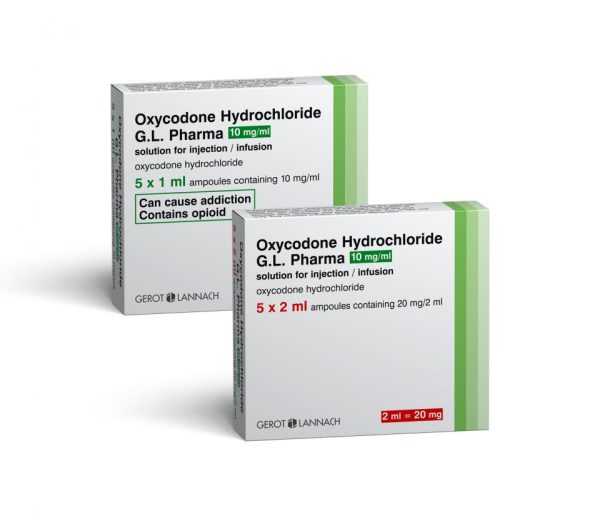
Oxycodone
Oxycodone is a prescription opioid pain medication used to treat moderate to severe pain. It belongs to a class of drugs known as opioid analgesics, which work by altering how the brain and nervous system respond to pain.
Oxycodone is commonly prescribed for:
-
Post-surgical pain
-
Injury-related pain
-
Cancer-related pain
-
Chronic pain unresponsive to non-opioid treatments
It is available in both immediate-release and extended-release formulations, depending on the patient’s needs.
How Oxycodone Works
Oxycodone binds to mu-opioid receptors in the brain and spinal cord. These receptors are part of the body’s natural pain control system. When activated, they reduce the perception of pain and create feelings of relaxation or euphoria.
Because of this, Oxycodone is effective for pain relief, but it also carries a high risk of dependence, abuse, and addiction—especially if not used as prescribed.
Forms & Brand Names
Oxycodone is available in multiple forms:
-
Tablets (immediate or extended-release)
-
Capsules
-
Liquid solutions
Common brand names include:
-
OxyContin® (extended-release)
-
Roxicodone® (immediate-release)
-
Percocet® (combined with acetaminophen)
-
Xtampza ER®
Side Effects of Oxycodone
Common side effects include:
-
Drowsiness or sedation
-
Dizziness or lightheadedness
-
Nausea or vomiting
-
Constipation
-
Dry mouth
-
Itching
Serious risks include:
-
Respiratory depression (slowed or stopped breathing)
-
Addiction and dependence
-
Overdose, particularly when combined with alcohol or sedatives
-
Withdrawal symptoms when discontinued abruptly
Addiction and Misuse Risk
Oxycodone is classified as a Schedule II controlled substance due to its high potential for abuse and addiction. Misusing Oxycodone (e.g., taking larger doses, using without a prescription, or crushing pills to snort or inject) increases the risk of overdose and death.
Signs of misuse or addiction may include:
-
Taking more than prescribed
-
Seeking multiple prescriptions (“doctor shopping”)
-
Strong cravings or compulsive use
-
Inability to stop despite negative consequences
Withdrawal Symptoms
When a person who has used Oxycodone regularly stops taking it, they may experience withdrawal, including:
-
Anxiety and irritability
-
Muscle aches
-
Insomnia
-
Sweating and chills
-
Diarrhea and vomiting
-
Cravings
Tapering the dose gradually under medical supervision is the safest way to stop use.
Safe Use Guidelines
To reduce risk, always:
-
Take only as prescribed by a healthcare provider
-
Do not share your medication with others
-
Avoid alcohol and sedatives while using Oxycodone
-
Store securely, away from children and teens
-
Dispose of unused medication through a drug take-back program
If you’re on long-term opioids, your doctor may recommend periodic reassessment or transitioning to non-opioid alternatives.
Alternatives to Oxycodone
Depending on your pain level and health condition, alternatives may include:
-
Non-opioid medications: acetaminophen, ibuprofen, antidepressants, or anticonvulsants
-
Physical therapy or acupuncture
-
Nerve blocks or injections
-
Cognitive Behavioral Therapy (CBT) for chronic pain management
-
Other opioids with lower abuse potential (if appropriate)

Reviews
There are no reviews yet.